Origins of the Mhiship People

History

The Mhiship culture is rich with traditions, including marriage ceremonies, naming rites, circumcision rituals, and funeral practices.

Origins of the Mhiship People

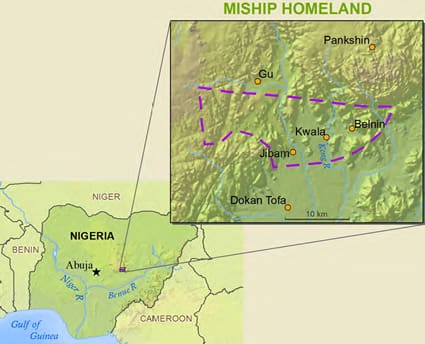
The Mhiship people, also known as Chip, trace their ancestry to migrations from regions around the Chad Basin, moving through Kanem-Bornu before settling in the present-day Pankshin Local Government Area of Plateau State. Oral traditions suggest these migrations occurred between the 12th and 18th centuries, alongside other ethnic groups like the Ngas, Mupun, and Tarok.

Settlement and Community Structure


Today, the Mhiship community comprises approximately 33 villages, with Kwala recognized as the central town. The community is traditionally divided into two main clans: Longmaar and Jiɓaam, each with its unique dialect and cultural nuances.
Language

The Mhiship Language

Mhiship, or Chip, is an Afro-Asiatic language within the Chadic branch, specifically classified under West Chadic A. The language features two primary dialects: Longmaar and Jiɓaam. Despite external influences, the Mhiship language remains a vital part of the community's identity

Preservation Efforts


Efforts are ongoing to document and promote the Mhiship language through educational programs, literature, and digital media, ensuring its transmission to future generations.
Culture

Traditional Practices

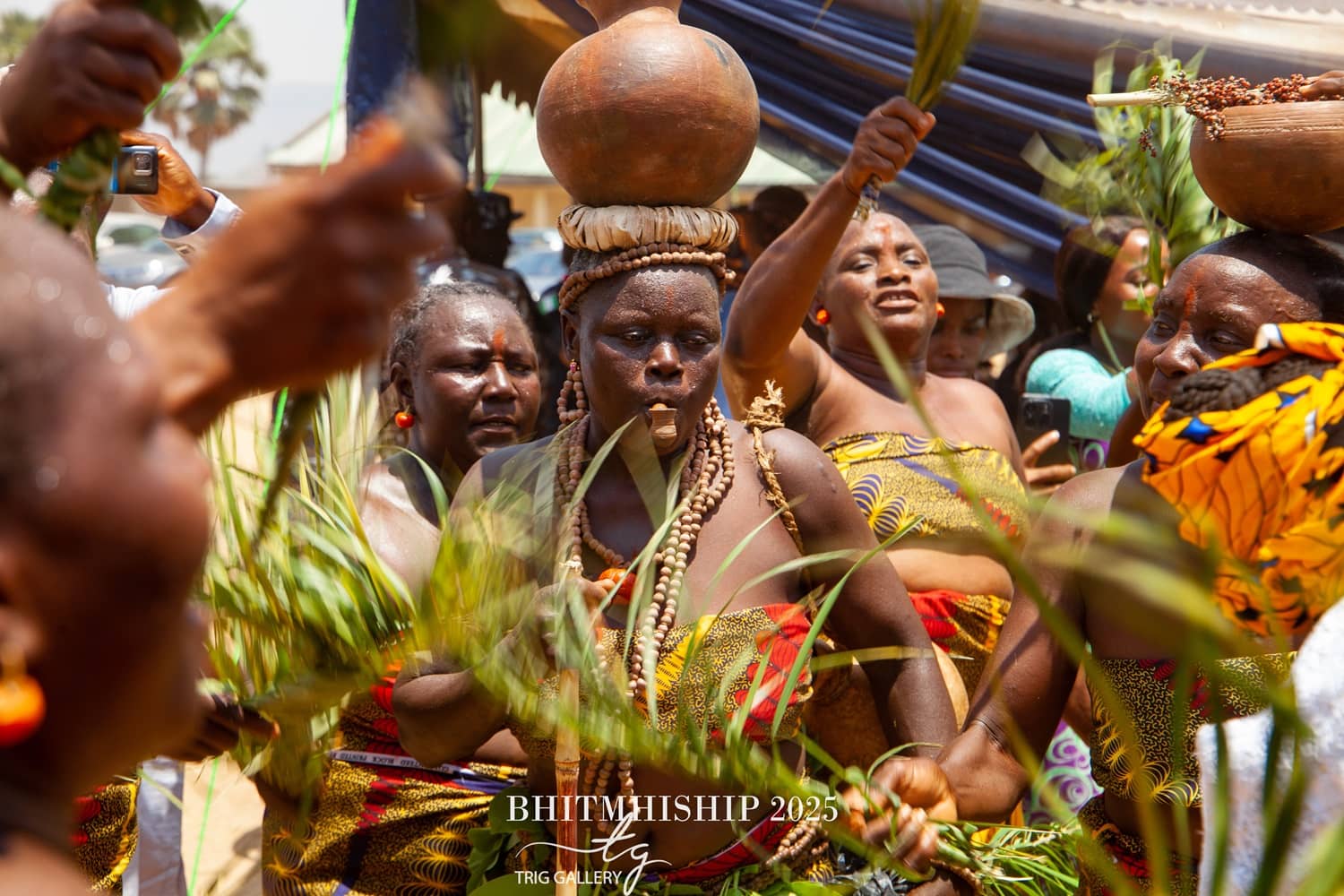
The Mhiship culture is rich with traditions, including marriage ceremonies, naming rites, circumcision rituals, and funeral practices. These customs reinforce community bonds and reflect the values passed down through generations.

Attire and Arts


Traditional Mhiship attire features blue and white tie-dye fabrics adorned with maroon beads. The community also boasts a vibrant arts scene, including weaving, blacksmithing, and traditional music and dance.

The socio-economic activities of the Miship people

Several socio-cultural institutions existed in the region before the emergence of the two major religions of Islam and Christianity. These include marriage ceremony, birth rite, naming ceremony, circumcision, death rite, to mention but a few. Economically, Miships are predominantly farmers; agriculture has been the primary occupation of the people. Among the crops they produce are beans, yam, rice, guinea-corn, and cowpeas. Other activities like blacksmithing, weaving, hunting, and mining can be regarded as the secondary occupations of the people.